
))
))
))
))
))
))
))
))
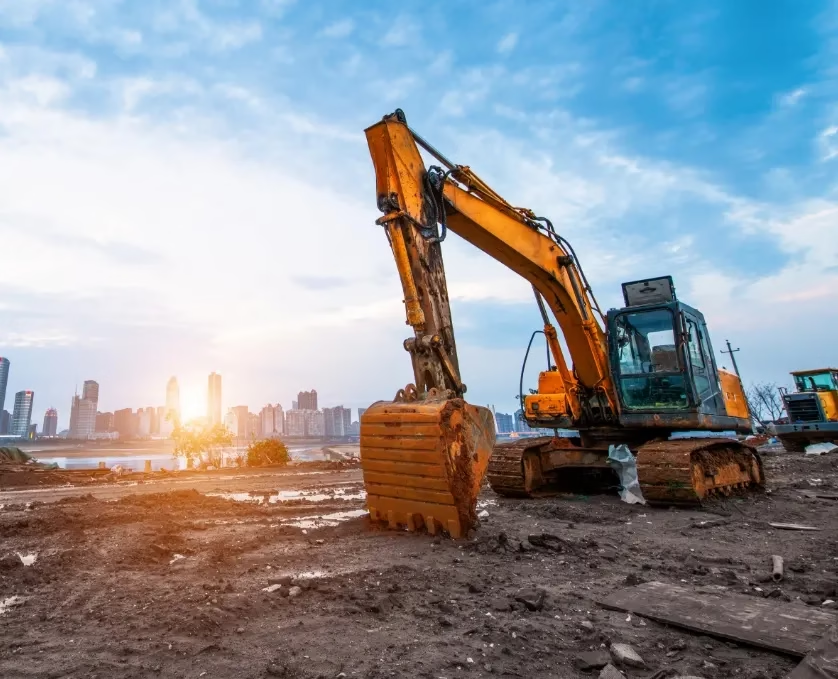

Integrated Equipment Scheduling and Asset Control
In ProjectVIEW ERP Machinery Asset Management, corrective and predictive maintenance, spare parts inventory, operator usage, and maintenance crews are fully synchronized.
From the allocation of heavy equipment and plant assets during the tendering and budgeting process to advanced scheduling in the construction phase, the system enables efficient equipment scheduling based on machinery bookings—ensuring equipment health, spare part availability, and smooth replacements. Empower your projects with the right machinery, in the right place, at the right time, while maintaining peak performance and maximum utilization.
Through telematics (IoT sensors) and centralized dashboards enhanced with AI analytics, the software delivers real-time equipment tracking, fleet utilization monitoring, and complete visibility into asset performance across the construction lifecycle.
From machinery request to maintenance, with AI agents at every key decision
Frequently Asked Questions
Why do construction companies need heavy equipment management software?
Construction companies rely on heavy equipment for critical operations, making an effective equipment management solution essential. Such a system ensures availability, spare parts management, preventive maintenance, and machinery planning—guaranteeing maximum utilization, controlled operating costs, and peak performance. It also ensures that each machine is mobilized on time, matched with the right operator, and prioritized efficiently across multiple projects.
What is the role of preventive and predictive maintenance in construction equipment?
Each piece of construction machinery has unique operational characteristics, often made more complex due to the frequent swapping of attachments and replacement parts. Effective preventive maintenance ensures equipment is serviced regularly, with detailed asset logs tracking spare parts, daily work orders, and planned interventions. Predictive maintenance goes further by using data and equipment history to anticipate failures before they occur, minimizing costly downtime. A complete solution should also support corrective maintenance, ensuring spare parts availability and professional service when urgent repairs are required. From planning to utilization, heavy equipment management functions as the back-office backbone of all construction operations.
How does machinery scheduling benefit contractors?
Machinery scheduling aligns equipment resource requirements with project budgets and timelines, enabling detailed planning based on availability, specifications, and operator assignment. It acts as a resource leveling process, where time constraints from the Work Breakdown Structure (WBS) are matched with the machinery and asset needs defined in each Bill of Quantities (BoQ). By synchronizing site requests with availability, contractors can reduce idle hours, prevent double-booking, and maximize fleet utilization across multiple projects and job sites.
What are the advantages of fleet management in construction?
Fleet management provides contractors with real-time visibility into owned and rented assets. It helps track logistics, monitor operating costs, and control fuel and spare parts consumption—leading to lower operating costs and higher productivity.
How does digital asset management improve equipment utilization?
Digital asset management consolidates all machinery data—technical specs, operating history, maintenance records, and costs—into one system. Contractors gain accurate insights on performance, helping them maximize ROI on every machine