


ProjectVIEW ERP Core
Project-based ERP platform foundation
The core module is the foundation layer that every other ERP module runs on. It holds the company structure, master data, users and permissions, workflows, documents and reporting. When the core is set up correctly, every module uses the same codes, rules and data. In ProjectVIEW ERP, the Core also works as a Built Environment Digital Platform (BEDP): it brings together data from all modules, from site, office and portals, for internal and external project stakeholders.

Key Features
- Company | Branch | Projects | Subproject | Unit
- Multi-language, Multi-currency, Multi-projects
- User, Role, and Group Access Control
- Workflow and Business Process Management
- User-defined Menu Screens
- Business Analytics Dashboards | Dynamic Reports
- Document Management System (DMS)
- Common Data Environment (CDE)
ProjectVIEW ERP Core
See ProjectVIEW ERP Core in action
ProjectVIEW Core
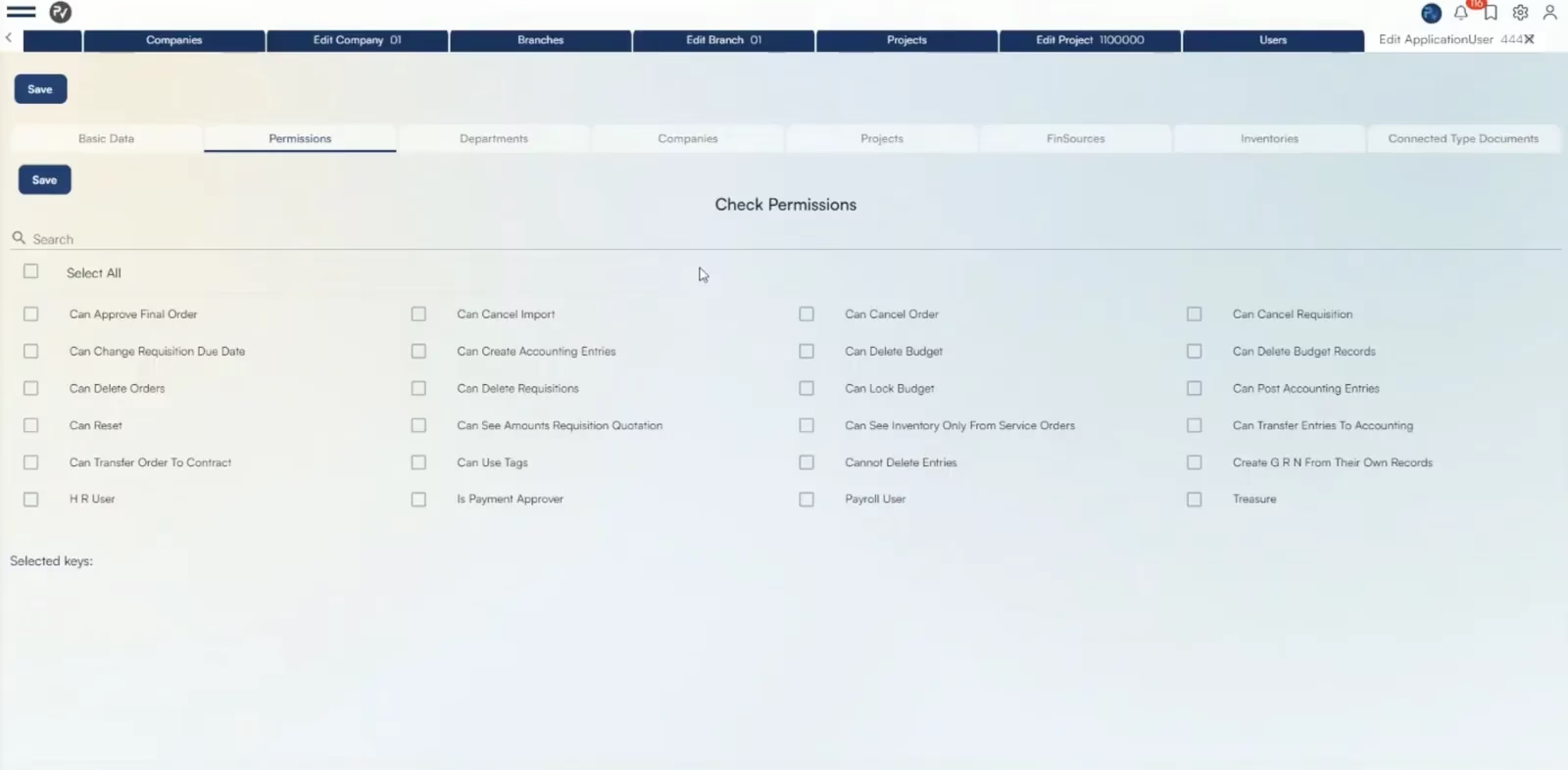
Configure the system by roles, parameters and workflows. Documents sit in one repository that serves as the Common Data Environment. Approval requests reach each user as alerts.
- Users, roles and group access rights
- Workflow engine for approvals and alerts
- Document Management and Common Data Environment (CDE)
Dashboards and AI
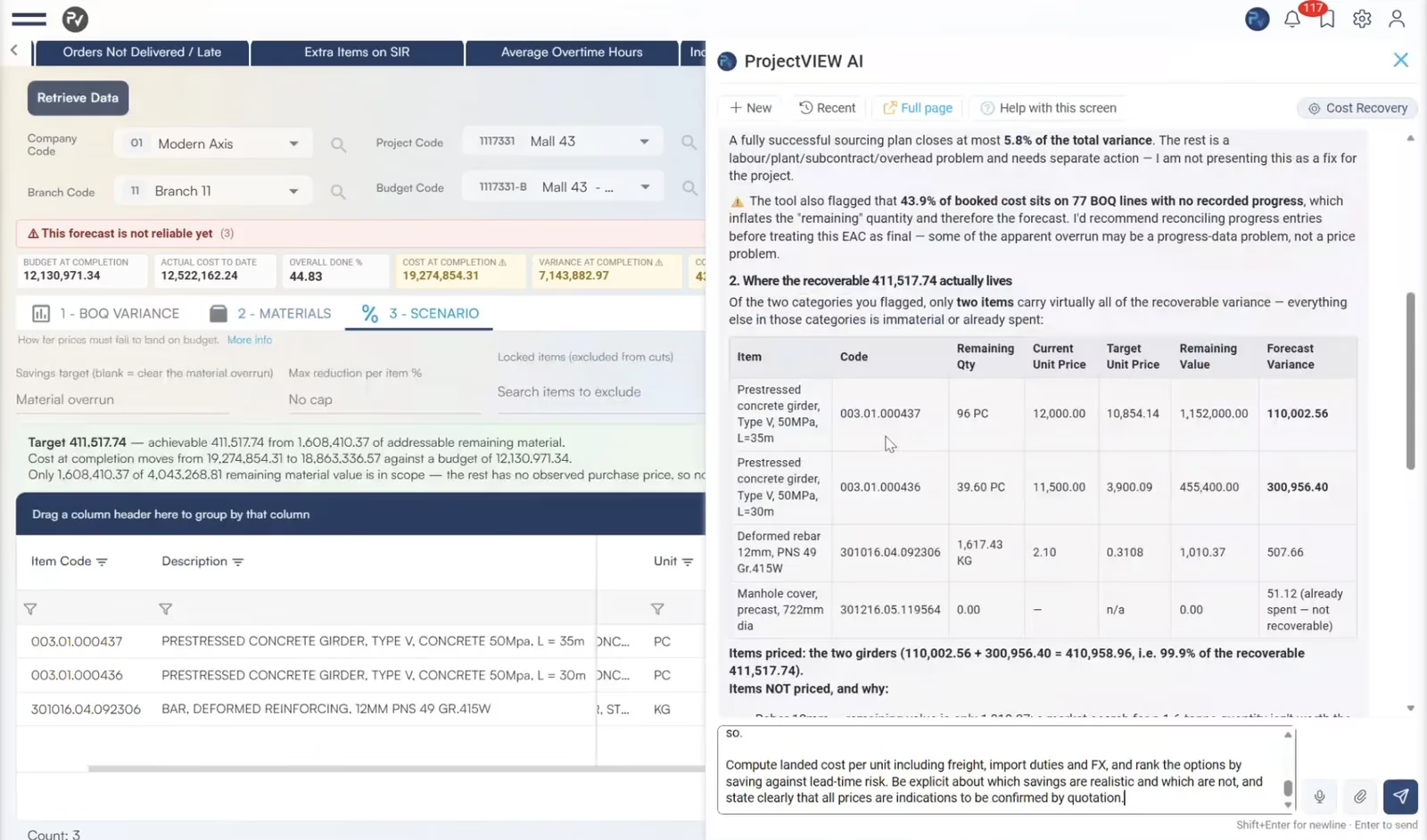
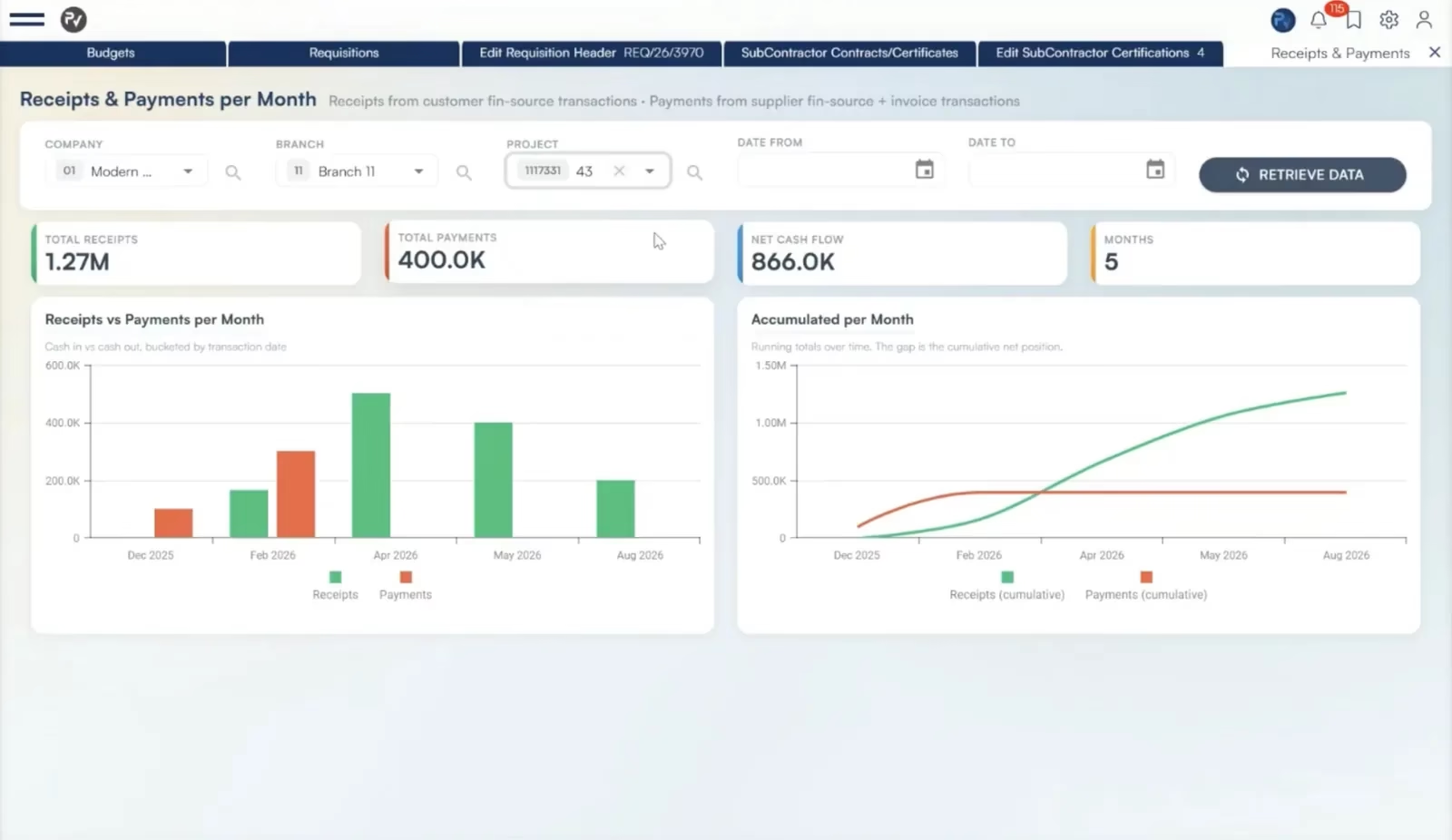
Add self-service dashboards and ProjectVIEW AI on top of the Core. Analyse live ERP data and ask the AI assistant about costs, budgets and approvals in plain language.
- Self-service dashboards on live ERP data
- ProjectVIEW AI assistant on every screen
- Cost and forecast analysis with clear next steps
What is a core module in ERP?

What ProjectVIEW ERP Core contains
- Organization structure: company, branch, project, subproject and unit.
- Multi-operation: multi-language, multi-currency and multi-project in one database.
- Access control: permissions by user, role and group.
- Workflow engine: approvals and business processes.
- User-defined UI: menus and screens that users configure.
- Analytics: business dashboards and dynamic reports.
- DMS and CDE: Document Management System and Common Data Environment for all project records.
Why the core matters in project-based ERP
- One master data set: BoQ, WBS and cost code structures are defined once and used by estimating, procurement, site and finance.
- Consistent control: the same roles and approval workflows apply to every module and every project.
- One source of documents: drawings, contracts, certificates and QHSE records sit in one CDE, linked to the transactions they support.
- AI-ready data: structured data from all modules in one platform is the basis for company-wide analytics and ProjectVIEW AI.
Core add-ons
- DANAOS Business Analytics: self-service analytics directly on the ProjectVIEW ERP database.
- DANAOS ProjectQ: QHSE records management for quality, health, safety and environmental documentation, audits and compliance, integrated with ProjectVIEW ERP.
FAQ: ERP core module
What is a core module in ERP?
The core module is the foundation layer of an ERP. It holds the company structure, master data, users and permissions, workflows, documents and reporting that every other module uses. In ProjectVIEW ERP the Core also integrates data from all modules as a Built Environment Digital Platform.
What does ProjectVIEW ERP Core include?
ProjectVIEW ERP Core includes the organization structure (company, branch, project, subproject, unit), multi-language and multi-currency setup, user, role and group access control, a workflow engine, user-defined screens, dashboards and dynamic reports, a Document Management System and a Common Data Environment.
Do all ProjectVIEW ERP modules use the Core?
Yes. All ProjectVIEW ERP modules use the configuration, master data, access rules, workflows and documents defined in the Core.
How does the ERP core support AI?
The Core keeps structured data from all modules in one platform and one Common Data Environment. That data is the basis for business analytics and for ProjectVIEW AI.

Speak to our experts
If you have any questions or need more information regarding the solutions we offer, please fill in our contact form, and a member of our team will get in touch with you as soon as possible.