))
))
))
))
))
))
))
))


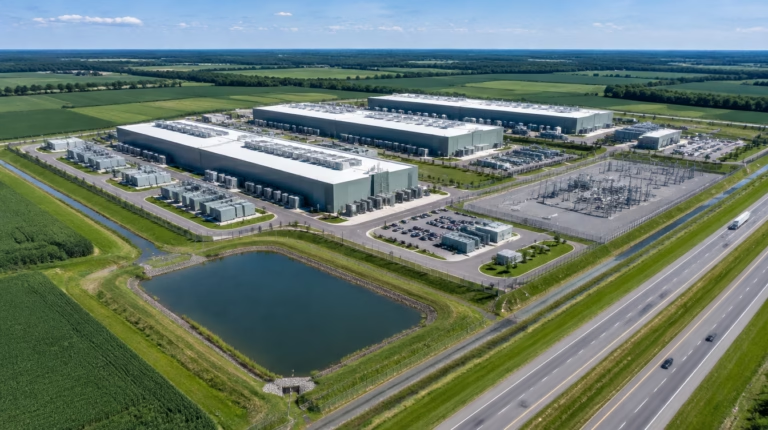
Data center construction is unlike any other segment of the construction industry. Therefore, it demands absolute precision, complex coordination, and real-time control across mechanical, electrical, and IT infrastructure systems. As the digital backbone of the global economy, every data center project is a race against time. As a result, there is no tolerance for error, delay, or cost overrun.
This is where ProjectVIEW ERP stands apart. It delivers an integrated, BIM-connected construction management environment, designed specifically for enterprise-scale, high-tech construction projects.
Why Data Center Construction Is Different
Unlike traditional building or infrastructure projects, data center construction involves:
- Ultra-high MEP complexity: Massive HVAC, power distribution, and cooling systems that must run with zero downtime.
- Strict redundancy and compliance standards: Tier III/IV certifications demand documented precision and auditable processes.
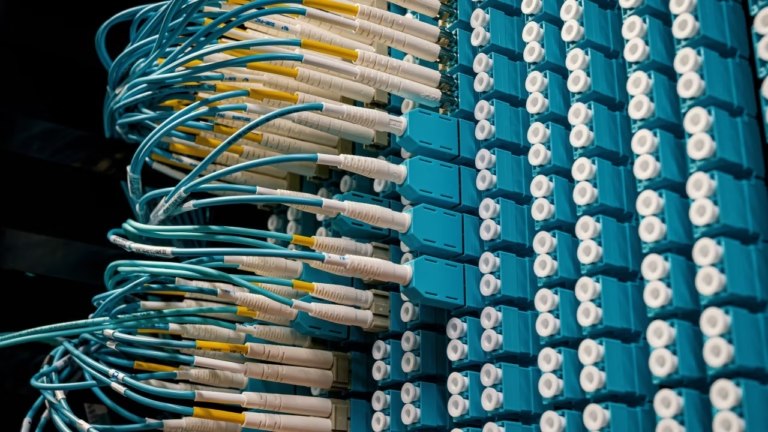
- Specialized materials and equipment: Precision racks, PDUs, chillers, and cabling systems that require controlled procurement and traceability.
- Cross-discipline synchronization: Electrical, mechanical, civil, and ICT works progress simultaneously under tight scheduling.
- Limited margin for delay: Penalties and client expectations are extremely high, because clients expect data centers to go live on fixed commissioning dates.
Together, these characteristics make data center projects some of the most challenging to manage without a centralized, connected ERP ecosystem.
ProjectVIEW ERP — The Central Command Center for Data Centers
ProjectVIEW ERP transforms complex data center construction into a controlled, data-driven process. In practice, it connects cost, time, and operations in one platform.
For example, key advantages include:
- BoQ-driven execution: The system links every element of the project, from cable trays to CRAC units, to its Bill of Quantities. As a result, it tracks material, labor, and subcontractor costs in real time.
- Procure-to-Pay supply chain automation: Manage RFQs, supplier evaluations, purchase orders, goods receipts, and vendor payments. All of these run within one system for transparent cost control.
- Work Breakdown Structure (WBS) integration: Align budgets, procurement, and scheduling directly with Primavera P6 or MS Project. This gives instant performance visibility (Planned vs. Actual).
- Role-based resource allocation: Assign tasks to skilled MEP technicians, electricians, or commissioning engineers while monitoring machinery and tool availability across multiple sites.
- On-site data capture: Mobile and web apps feed progress, labor, and equipment data directly from the field into the ERP in real time. In turn, this improves accuracy and accountability.
Connected BIM + ERP: The Ideal Environment for Data Centers
Moreover, data center construction depends heavily on BIM (Building Information Modeling) for design accuracy, clash detection, and asset coordination.
ProjectVIEW ERP also extends BIM beyond design by connecting any BIM model (.ifc format) to live project data:
- Visualize real-time progress and cost status directly on the 3D model.
- Link each BIM object to its BoQ item, cost code, and subcontractor activity.
- Use the ProjectVIEW ExtrAXION BIM Add-on for quantity verification, visual cost tracking, and automated progress updates.
- Enable engineering and project management teams to see what’s installed, what’s pending, and how costs evolve spatially within the BIM model.
This Connected BIM–ERP environment is therefore invaluable for data centers. There, teams must execute MEP precision and installation sequencing (e.g., containment racks, cooling loops, or redundant power lines) flawlessly.
Driving Efficiency Through Supply Chain Control
For instance, in data center projects, a single missing part, such as a fiber distribution panel or UPS unit, can delay entire commissioning phases.
ProjectVIEW ERP therefore ensures reliable Supply Chain Management through its BoQ-driven Procure-to-Pay module:
- eRFQ and e-Auctioning for suppliers and subcontractors.
- Real-time inventory and warehouse tracking across zones.
- Automatic cost updates from commitments and vendor agreements.
- Transparent budget control and forecast reporting.
Enterprise Intelligence for Mission-Critical Construction
In short, data center construction requires integration, traceability, and precision. ProjectVIEW ERP delivers all three.
ProjectVIEW ERP synchronizes BIM, BoQ, and WBS in one connected ecosystem. As a result, it helps contractors manage complexity, minimize risks, and deliver high-performance facilities on time and within budget.
For organizations building the digital future, ProjectVIEW ERP is therefore more than software. It’s the command center for mission-critical construction.