


How ProjectVIEW ERP Applies to Commercial Buildings
Managing Trade Density and Complex Fit-Out Works
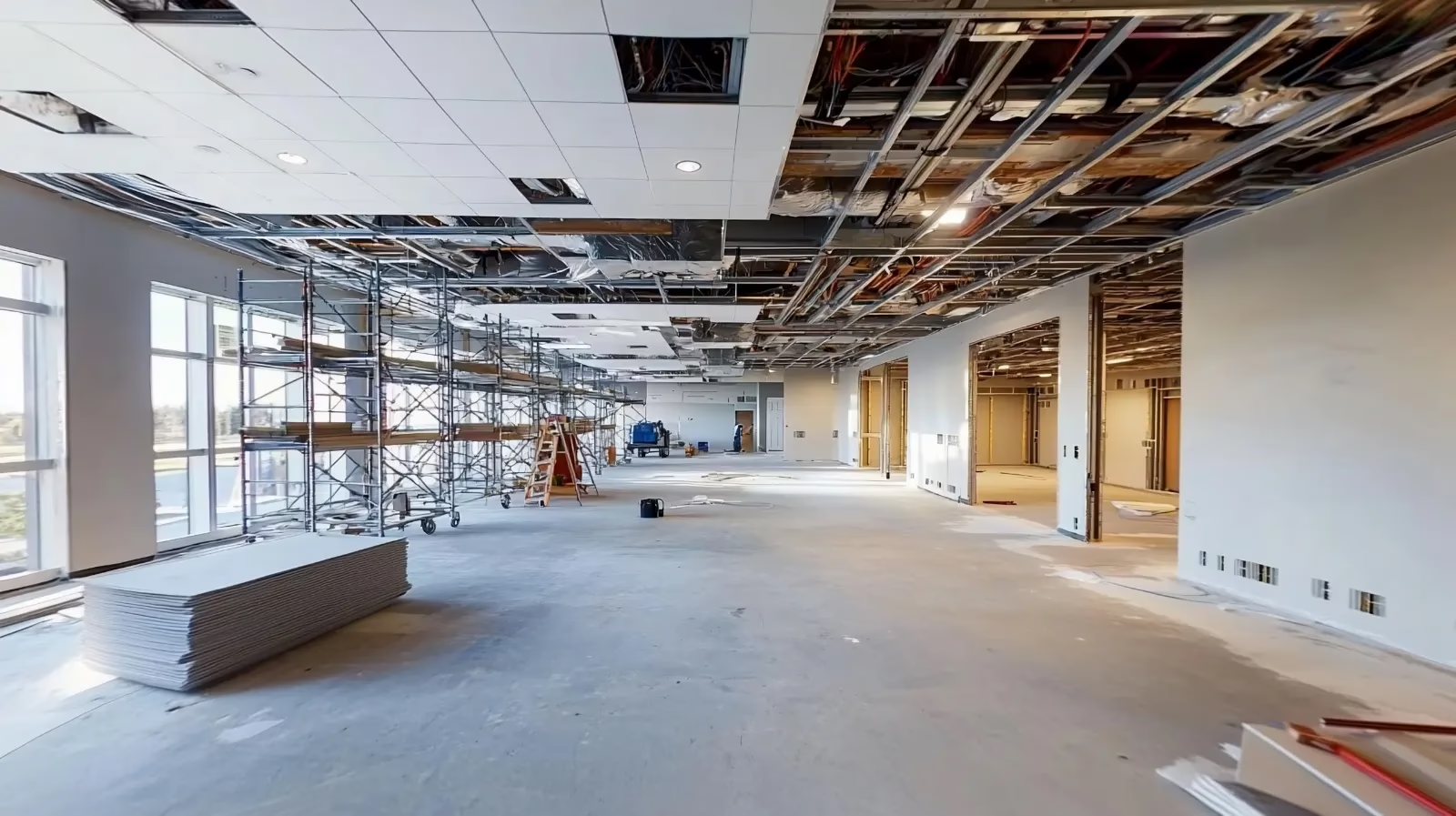
These projects involve high trade density, intensive MEP coordination, and complex fit-out works executed under tight schedules. Multiple subcontractors operate simultaneously across floors and zones, increasing the risk of productivity loss and cost overruns.
ProjectVIEW ERP enables contractors to structure costs by building, floor, zone, and trade package. As a result, teams can see subcontractor performance precisely and identify coordination-driven cost issues early.
Example:
Track structural works, core-and-shell activities, and tenant fit-out packages separately. This helps identify where trade congestion or sequencing issues affect cost and schedule.
Controlling Client-Driven Change and Specification Variability
Commercial projects are highly exposed to client-driven changes, tenant requirements, and late-stage specification upgrades, particularly during fit-out phases. Without structured change control, cumulative variations can significantly erode margins.
ProjectVIEW ERP integrates variation and contract management. Teams can therefore capture, assess, and approve each scope change, then update cost forecasts in real time.
Example:
Identify the commercial impact of repeated tenant layout changes or upgraded finishes before they accumulate into major cost overruns.
Managing Materials, Deliveries, and Vertical Logistics
Commercial buildings rely heavily on just-in-time material deliveries and vertical logistics such as hoists and cranes. Poor coordination of deliveries and lifting resources can disrupt workflows and inflate costs.
ProjectVIEW ERP links procurement, delivery schedules, and material consumption to specific work packages and floors. This improves visibility into material-driven cost exposure.
Example:
Control material costs and delivery sequencing for façade systems or interior finishes delivered floor by floor. In this way, teams can minimize congestion and idle time.